Micro Bangs: Trend, Styling Tips, and Face Shape Guide
Short fringe styles have a way of stopping people mid-scroll. Some love them instantly. Others feel curious but nervous. If you’re here, you’re probably not just looking for inspiration photos—you want clarity. You want to know if this bold fringe choice will actually work for your face, lifestyle, and hair texture, or if it’s one of those trends that looks great online but causes regret in real life.
This guide is written to help you make a confident decision. It’s not trend hype. It’s not salon marketing. It’s the kind of advice people usually share after they’ve tried it themselves.
View Pxless for latest updates
What This Short Fringe Style Really Is
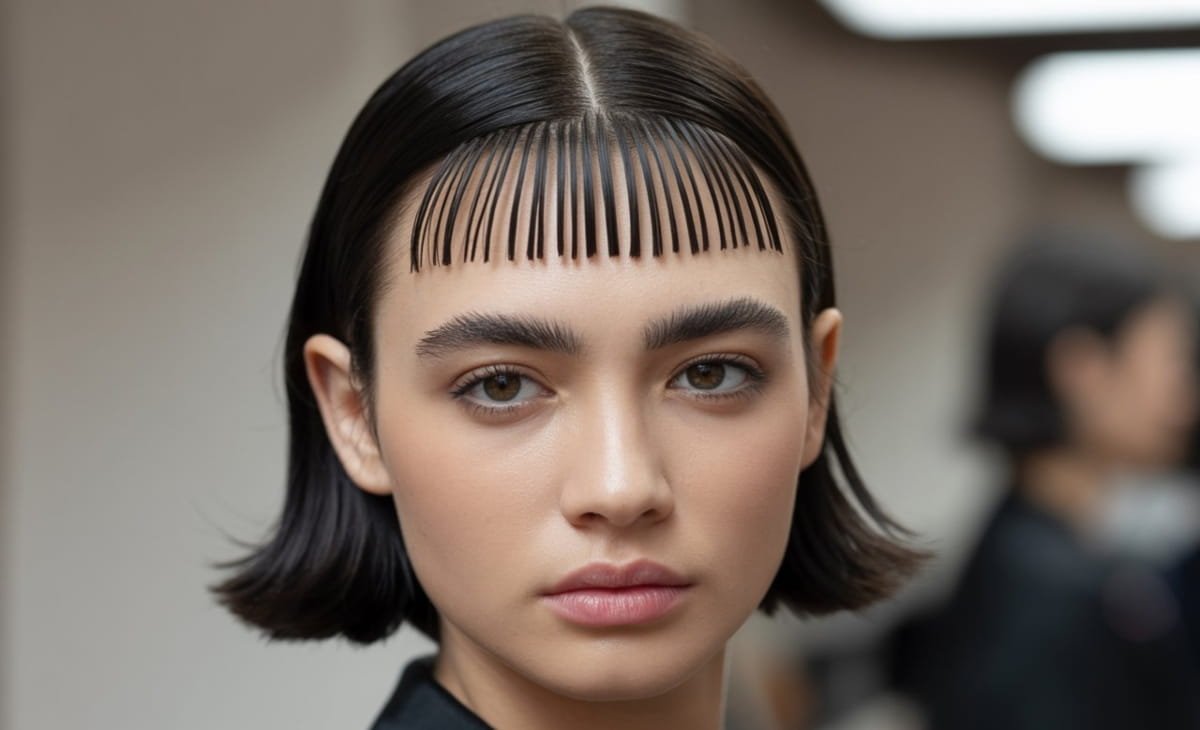
This look refers to micro bangs that are cut well above the eyebrows, often sitting around the mid-forehead. Unlike traditional fringe that softly frames the eyes, this version exposes more of the face and creates a sharp, intentional outline.
What makes it different from regular micro bangs is not just length, but attitude. It shifts focus upward, highlights facial structure, and instantly gives the haircut a modern or artistic feel. Some versions are blunt and graphic, others are soft and textured. The difference lies in how it’s cut—not just how short it is.
Why So Many People Are Considering It Now
There’s a reason this fringe keeps returning every few years. Modern beauty trends are moving away from “perfect” and toward personality. People want hair that feels expressive but low-effort. A cropped fringe does exactly that—it creates impact without needing heavy styling.
Another reason is practicality. Many people now prefer haircuts that still look intentional when air-dried or loosely styled. This fringe type tends to hold its shape, especially when cut properly.
Who This Fringe Works Best For (And Who Should Be Careful)
This style can suit many face shapes, but it doesn’t suit every personality or routine.
It often works beautifully for people who like structure in their appearance. If you enjoy clean lines in clothing, bold accessories, or minimal makeup, this fringe usually feels natural rather than extreme. It also draws attention to the eyes and cheekbones, which many people love.
However, if you strongly dislike frequent trims or feel stressed by visible grow-out phases, you should pause before committing. This fringe grows quickly, and the awkward stage shows more than with longer micro bangs.
Hair texture also matters. Straight and slightly wavy hair is the easiest to manage. Curly or cowlick-prone hair can still work, but only when cut dry and customized carefully. Without that, shrinkage can make the fringe appear shorter than intended.
The Real Benefits People Don’t Talk About Enough
One underrated advantage is balance. Removing weight from the front can make the rest of the haircut fall better, especially with blunt bobs or layered cuts. Many people notice their overall style feels lighter and more intentional.
Another benefit is time. Once the fringe is shaped correctly, daily styling usually takes less than a minute. A quick brush or small flat iron pass is often enough.
There’s also an emotional side. I’ve seen many people choose this fringe during moments of personal change—new jobs, new cities, fresh starts. While hair doesn’t change life, choosing a bold yet controlled look often restores confidence and self-expression.
Common Myths That Cause Unnecessary Fear
One common myth is that this fringe only suits “edgy” or alternative styles. In reality, it can look elegant and soft when paired with natural color and subtle layering.
Another misconception is that it makes the forehead look bigger. In many cases, it actually shortens the visual length of the face by breaking up vertical space.
The biggest myth is that it’s impossible to grow out. With a planned transition into curtain micro bangs or face-framing layers, the grow-out phase can be surprisingly manageable.
How Professionals Cut It (And Why DIY Is Risky)
This fringe is not about bravery—it’s about precision. Skilled stylists usually refine it in stages, starting longer and adjusting slowly. Cutting it dry or finishing dry is essential because hair shrinks when it dries.
Most flattering results aren’t perfectly straight across. Subtle texture prevents the fringe from looking harsh or accidental.
A visual diagram here would help readers understand ideal forehead proportions and why millimeters matter so much with short micro bangs.
Daily Styling and Maintenance in Real Life
Maintenance is simple but consistent. Most people need trims every three to four weeks. Many salons offer quick fringe trims between full appointments, which helps a lot.
Styling usually requires minimal effort. A small round brush or mini flat iron gives control without overworking the hair. For oily hair, a light touch of dry shampoo at the roots prevents separation.
Humidity and cowlicks are the main challenges. Applying a small amount of lightweight styling cream while the fringe is slightly damp can make a noticeable difference.
How This Fringe Works With Different Haircuts
With a blunt bob, it creates a strong, editorial look. With long hair, it adds contrast and prevents the length from overpowering the face. In shaggy or layered cuts, it enhances movement and texture.
Hair color also changes the effect. High-contrast shades make the fringe look graphic, while softer tones create a more wearable feel. If you’re unsure, adjusting color first can be less risky than changing length.
Visual Content That Helps Users Decide
This article would benefit from close-up images showing different lengths on various face shapes. A short timeline graphic showing how the fringe grows over eight weeks would also address one of the biggest concerns people have before committing.
Frequently Asked Questions
Is this fringe hard to maintain?
It requires regular trims, but daily styling is usually quick and simple.
Does it work with curly hair?
Yes, but only when cut dry and customized for curl pattern and shrinkage.
How long does it take to grow out?
Most people reach eyebrow length in about three to four months.
Will it suit a round or long face?
When customized correctly, it can balance both by changing how facial length is perceived.
Is it still in style?
It continues to appear in modern fashion, but personalization matters more than trends.
Final Thoughts
This style isn’t about playing it safe. It’s about intention. When done thoughtfully, it can elevate a haircut and make it feel truly personal. The key is consultation, customization, and honesty about maintenance.
If you’re considering it, talk to a stylist, bring references, and plan the grow-out before the first cut. Hair grows back—but confidence starts with informed decisions.
If this guide helped you, explore related haircut guides or share your experience. Your story might help someone else decide with confidence.