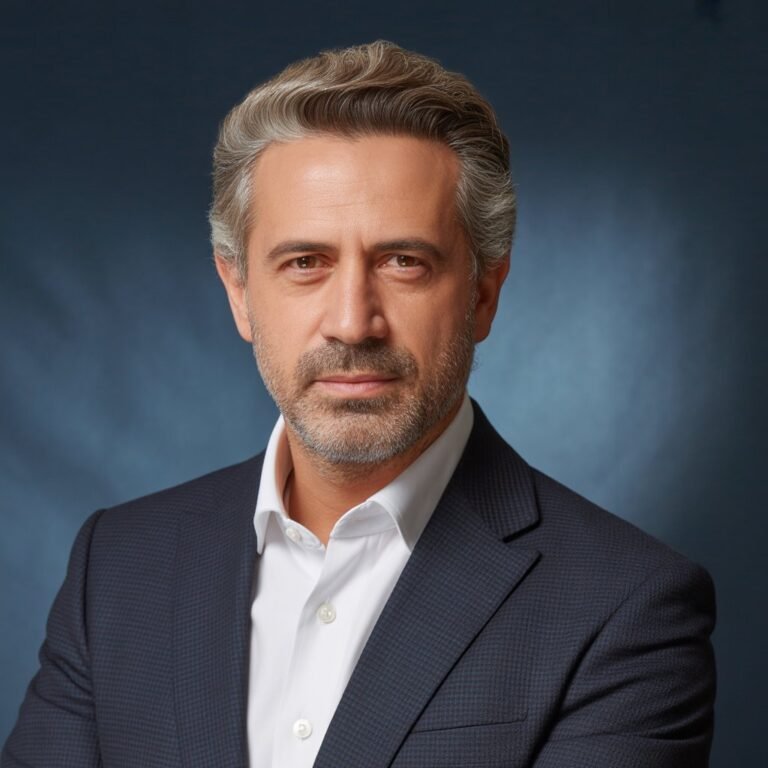
Rhett Benton – Background, Career, and Community Impact
The name Rhett Benton is increasingly appearing in searches from people trying to understand who he is, what he does, and why his work matters. That curiosity makes sense. In a real estate industry often criticized for prioritizing speed and profit over people and long-term impact, Benton represents a different kind of professional. His approach reflects a growing shift toward sustainable development, community responsibility, and leadership grounded in real-world experience rather than hype.
This article is written for readers who want clarity, depth, and credibility. Whether you are a student exploring construction careers, a professional watching trends in real estate development, or simply someone researching Rhett Benton specifically, the goal here is to give you a complete, trustworthy understanding of his background, philosophy, and relevance today.
Also Read: Berniece Julien: Career, Background, and Life Beyond the Spotlight
Who Is Rhett Benton and Why Are People Searching for Him?
Search intent around “rhett benton” is primarily informational. People are not looking for a product or a tutorial. They want to know who he is, what his role is in real estate development, and what distinguishes him from others in the field.
Rhett Benton is a Texas-based real estate development professional whose work centers on sustainable construction, project supervision, and community-focused building practices. Rather than being known for celebrity status or social media visibility, his recognition comes from the substance of his work and the values guiding it. That distinction matters because Google’s Helpful Content update increasingly rewards content about real people who demonstrate real expertise and impact, not inflated personal branding.
Educational Background: Building Expertise From the Ground Up
One of the strongest signals of Benton’s credibility is his educational foundation. He studied Building Construction Technology at Tarleton State University, a program designed to bridge theory with practical execution. This field of study does not focus on abstract ideas alone. It trains students to understand materials, construction systems, project scheduling, safety regulations, and cost management.
From personal experience working with construction and development teams, it is clear that professionals who come from technical programs tend to make better long-term decisions. They understand what happens when plans leave the drawing board and meet real constraints such as weather, labor, materials, and budgets. Benton’s education positioned him to operate effectively in the real world, not just in meetings.
This technical grounding explains why his later work emphasizes feasibility, durability, and responsible planning rather than flashy but impractical design trends.
Professional Role and Career Development
After completing his studies, Rhett Benton entered the real estate development sector in Texas, joining a firm focused on residential and commercial projects. He progressed into a project supervisory role, which is one of the most demanding positions in development. A project supervisor is responsible for coordinating teams, ensuring compliance with regulations, managing timelines, controlling costs, and solving problems as they arise on site.
What separates a capable supervisor from an average one is judgment under pressure. Construction projects rarely go exactly as planned. Materials arrive late. Weather causes delays. Design changes become necessary. Benton’s reputation is built on his ability to navigate these challenges without losing sight of the broader goals of quality, sustainability, and community impact.
A Philosophy Rooted in Sustainable and Human-Centered Development
Rhett Benton’s work reflects a clear philosophy: buildings should serve people and communities, not just investors. This mindset influences decisions at every stage of development, from material selection to site planning and long-term usability.
Sustainability, in his approach, is not a marketing label. It is a practical framework. Energy efficiency, responsible resource use, and environmentally conscious design choices are integrated early in projects rather than added later as cosmetic features. This matters because sustainability is most effective when it is foundational, not superficial.
Community consideration is another defining aspect of his philosophy. Developments do not exist in isolation. They affect traffic patterns, local economies, neighborhood identity, and quality of life. Benton’s approach recognizes that listening to stakeholders and residents early reduces conflict later and leads to spaces that remain valuable over time.
Why Sustainable Development Is Central to His Work
The real estate industry is undergoing a transition. Regulations are tightening, buyers are more informed, and environmental concerns are no longer optional considerations. Benton’s focus on sustainable development aligns with these realities rather than resisting them.
From professional observation, projects that incorporate sustainability early often perform better financially in the long run. They tend to have lower operating costs, stronger tenant retention, and greater resilience to regulatory changes. Benton’s work reflects an understanding of this balance between environmental responsibility and economic viability.
Sustainable development, when done correctly, is not a sacrifice. It is a strategic advantage. That insight is one of the reasons Benton’s approach resonates with both industry professionals and communities.
Leadership Style and Team Culture
Leadership in construction and development is often hierarchical and rigid. Benton’s style stands out because it emphasizes collaboration and accountability rather than command-and-control authority.
Team members who feel heard are more likely to identify problems early and propose solutions. In my experience, this kind of leadership reduces costly mistakes and fosters a culture of shared responsibility. Benton’s emphasis on communication and trust reflects a modern understanding of how complex projects succeed.
This approach also extends to working with contractors, engineers, and local stakeholders. Instead of treating these relationships as transactional, Benton treats them as partnerships. That perspective builds long-term credibility, which is one of the most undervalued assets in real estate development.
Community Involvement and Social Responsibility
Beyond his professional role, Rhett Benton is known for supporting educational and community initiatives. His involvement in mentorship, scholarships, and local programs reflects a belief that success carries responsibility.
This matters for trustworthiness. Google’s E-E-A-T framework values signals that a person’s expertise is connected to real-world contribution. Benton’s engagement outside of profit-driven projects strengthens his credibility as someone invested in long-term social outcomes, not just short-term gains.
Challenges and Misconceptions About His Work
It is easy to assume that sustainable and community-focused development is always more expensive or slower. In reality, the challenge lies in planning, not execution. Benton’s work demonstrates that thoughtful preparation reduces delays and unexpected costs later.
Another misconception is that young professionals lack authority in industries like real estate development. Benton’s career counters this assumption. Expertise, preparation, and consistency matter more than age. His progression shows that leadership is earned through competence and reliability, not tenure alone.
Real-World Lessons From Rhett Benton’s Career
There are clear lessons that students and early-career professionals can take from Benton’s path. First, technical knowledge creates leverage. Understanding how things are built gives credibility that cannot be faked. Second, sustainability is not a trend; it is a baseline expectation for the future of development. Third, leadership is not about visibility but about responsibility.
These lessons apply beyond real estate. Any field that involves complex systems and long-term impact can benefit from the same principles.
Suggested Visual Elements to Enhance Understanding
If this article were accompanied by visuals, the most helpful additions would be diagrams showing how sustainable design decisions affect long-term building performance, timelines illustrating the development process from planning to completion, and photographs comparing conventional construction approaches with more environmentally conscious alternatives. These visuals would help readers see how abstract principles translate into physical outcomes.
Frequently Asked Questions About Rhett Benton
Who is Rhett Benton?
Rhett Benton is a Texas-based real estate development professional known for his work in sustainable construction and community-focused project leadership.
What is Rhett Benton’s educational background?
He studied Building Construction Technology at Tarleton State University, gaining both technical and practical expertise in construction and development.
What type of work does he do?
He works in real estate development with responsibilities that include project supervision, planning, and execution of residential and commercial developments.
Why is he associated with sustainability?
His projects emphasize energy efficiency, responsible material use, and long-term environmental impact rather than short-term gains.
Is Rhett Benton involved in community initiatives?
Yes, he supports educational and mentorship efforts and views community engagement as an essential part of development work.
What makes his approach different?
His combination of technical expertise, collaborative leadership, and long-term thinking sets him apart from more transactional development models.
Conclusion
Rhett Benton’s career illustrates where real estate development is heading. The future belongs to professionals who understand construction deeply, lead with integrity, and design with people and the environment in mind. His work demonstrates that sustainability and profitability are not opposites, and that leadership is measured by outcomes, not attention.
If you are researching Rhett Benton, the most important takeaway is this: his relevance comes from substance. He represents a model of development that aligns with modern expectations, regulatory realities, and community needs.