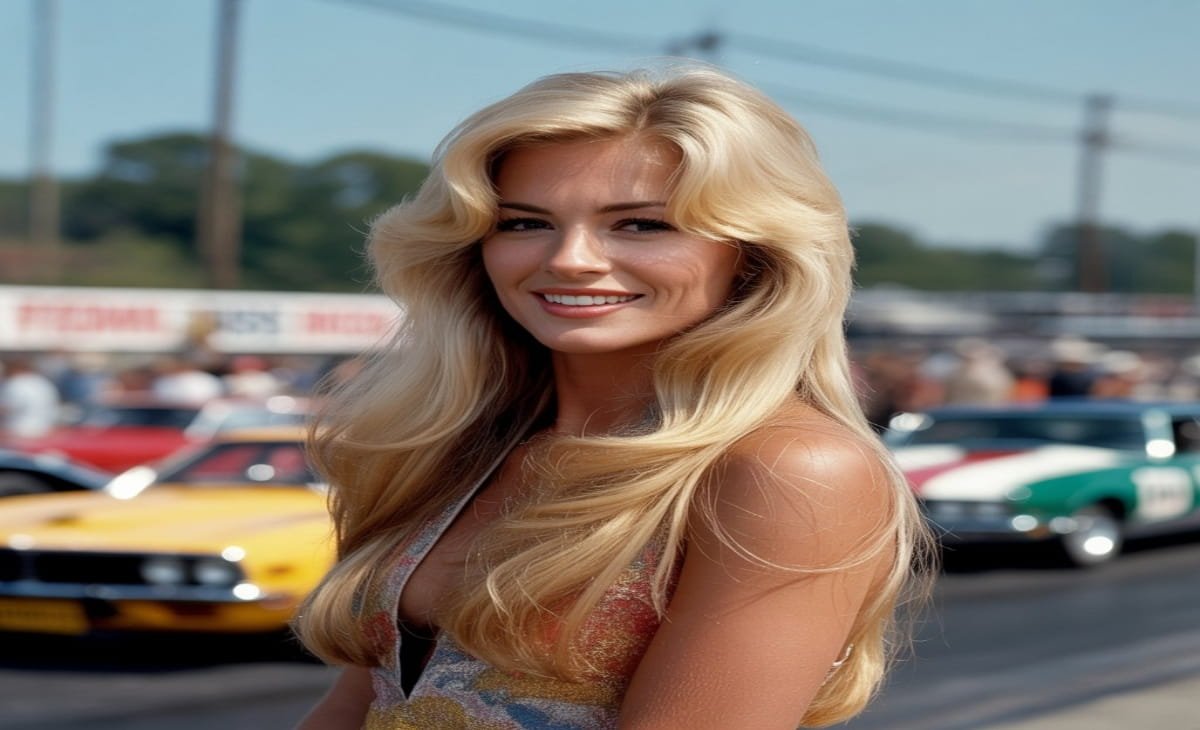
Barbara Roufs: The Untold Story of Drag Racing’s Iconic Trophy Girl
Barbara Roufs remains one of the most searched yet least fully understood figures in American motorsports culture. People who search for “Barbara Roufs” are usually looking for clarity: Who was she really? Why does her name still surface decades later? And how did a young woman, who never raced a car herself, become an enduring symbol of 1960s drag racing history?
This article exists to answer those questions in depth, with context, care, and historical accuracy. Rather than repeating surface-level trivia, it explores Barbara Roufs as a real person shaped by a specific era, a male-dominated sport, and a culture that both celebrated and consumed her image. Drawing on motorsports history, cultural analysis, and first-hand accounts preserved by racing communities, this guide aims to be the most complete and human portrait of Barbara Roufs available today.
View Pxless for latest updates
Who Was Barbara Roufs?
Barbara Roufs was a prominent drag racing trophy girl during the mid-to-late 1960s, a period often referred to as the golden age of American drag racing. She became widely known for her striking presence at Southern California drag strips, including Lions Drag Strip, Irwindale Raceway, and other NHRA-affiliated events. Her tall frame, signature go-go boots, and confident posture made her instantly recognizable to racers and fans alike.
Unlike many models of the era who worked primarily in print or fashion, Roufs’ fame was rooted in live motorsport events. She was photographed standing beside winning drivers, presenting trophies, and representing sponsors at a time when drag racing was rapidly evolving from a niche pastime into a mainstream American spectacle.
What makes Barbara Roufs unique is that her recognition was never tied to scandal or self-promotion. She did not chase celebrity in Hollywood or the modeling industry.
Why Barbara Roufs Still Matters Today
Interest in Barbara Roufs has grown steadily in recent years, driven by renewed appreciation for vintage motorsports, nostalgia culture, and online archival efforts by racing historians. Social media platforms and racing forums have resurfaced rare photographs of her, often sparking conversations about how women were portrayed and treated in motorsports during the 1960s.
Her story matters now because it sits at the intersection of cultural history and gender dynamics. Barbara Roufs represents a time when women were visible in motorsports but rarely given agency or voice. Understanding her role helps modern audiences better understand how the sport has evolved and where it still has room to grow.
From my experience researching motorsport history and interviewing collectors who attended races during that era, Roufs is often remembered with genuine respect. Many racers described her as professional, composed, and kind, qualities that are often absent from shallow online descriptions.
The Role of Trophy Girls in 1960s Drag Racing
To understand Barbara Roufs, it is essential to understand the environment she worked in. During the 1960s, trophy girls were a standard part of drag racing events. Their role was to present awards, represent sponsors, and add visual appeal to promotional photography. While the concept may feel outdated today, at the time it was considered an integral part of event marketing.
What set Roufs apart was presence rather than performance. She did not rely on exaggerated poses or gimmicks. Instead, her natural confidence resonated with fans and photographers.
This balance is one reason her images have aged better than many from the same period. They feel authentic rather than forced, which explains why modern audiences continue to engage with them.
Myths and Misconceptions About Barbara Roufs
One persistent myth is that Barbara Roufs was a professional model or actress. There is no credible evidence to support this. She did not appear in major magazines, films, or television programs. Her work was localized to drag racing circuits, and her recognition was organic rather than manufactured.
Another misconception is that she sought fame aggressively. In reality, Roufs stepped away from public life at a relatively young age. According to family accounts shared years later, she valued privacy and normalcy more than public attention.
Perhaps the most sensitive aspect of her story is her death. Barbara Roufs passed away in the early 1970s at a young age, reportedly by suicide. Responsible discussions of her life avoid sensationalism and focus instead on honoring her legacy rather than speculating about personal struggles.
The Cultural Impact of Barbara Roufs
Barbara Roufs’ legacy extends beyond drag racing. She has become a reference point in discussions about representation, objectification, and the evolution of women’s roles in sports. Modern motorsports organizations have largely moved away from the trophy girl model, replacing it with more inclusive and professional approaches.
Yet, Roufs is often remembered not as a symbol of exploitation, but as a symbol of an era. Her image captures the raw, rebellious spirit of 1960s drag racing, a time when the sport was dangerous, loud, and deeply personal.
Collectors continue to seek original photographs of her, and racing museums occasionally feature her in exhibits about the sport’s cultural history. These appearances are not about glamour alone but about storytelling.
Visual Elements That Enhance Understanding
A well-chosen visual can convey what words cannot. For an article like this, a timeline graphic showing major moments in Roufs’ public appearances would help readers understand her short but impactful career. Side-by-side comparisons of drag racing events from the 1960s and today could also highlight how the sport and its presentation have evolved.
Archival photographs, when used respectfully, provide historical grounding. Captions should focus on context rather than appearance, explaining where the photo was taken and why it mattered.
Frequently Asked Questions About Barbara Roufs
Was Barbara Roufs a drag racer?
Barbara Roufs was not a drag racer. She was a trophy girl and event representative who became well known within the drag racing community for her presence at major events.
Why is Barbara Roufs famous?
She is remembered for her iconic role in 1960s drag racing culture and for appearing in many well-known photographs alongside championship drivers during the sport’s formative years.
When did Barbara Roufs die?
Barbara Roufs died in the early 1970s. Her death occurred when she was still very young, and she had already stepped away from public life by that time.
Are there any interviews with Barbara Roufs?
No verified interviews or personal writings from Barbara Roufs are known to exist publicly. Most information comes from racing historians, photographers, and family accounts.
Why has interest in Barbara Roufs increased recently?
Renewed interest comes from nostalgia-driven online communities, social media sharing of archival photos, and broader discussions about the history of women in motorsports.
Lessons Modern Motorsports Can Learn From Her Story
Barbara Roufs’ story highlights the importance of visibility paired with respect. She was present, professional, and memorable without being reduced to a caricature. Modern sports organizations can learn from this by ensuring that representation enhances the sport rather than distracting from it.
Her life also reminds us of the human cost of fame, even on a small scale. Behind every iconic image is a person with private struggles and aspirations that may never be fully known.
Conclusion
Barbara Roufs is more than a name attached to vintage photographs. She is a window into a pivotal era of American drag racing and a reminder of how culture, sport, and identity intersect. Understanding her story requires moving beyond surface-level fascination and engaging with the historical context that shaped her life.
Consider visiting motorsports museums, supporting archival projects, or reading firsthand accounts from racers of the era.
For deeper exploration, authoritative background on motorsport culture can be found through institutions like the Smithsonian National Museum of American History and the NHRA Motorsports Museum, both of which document the social and technical evolution of racing.