Blonde Actresses: Famous Stars and Iconic Roles
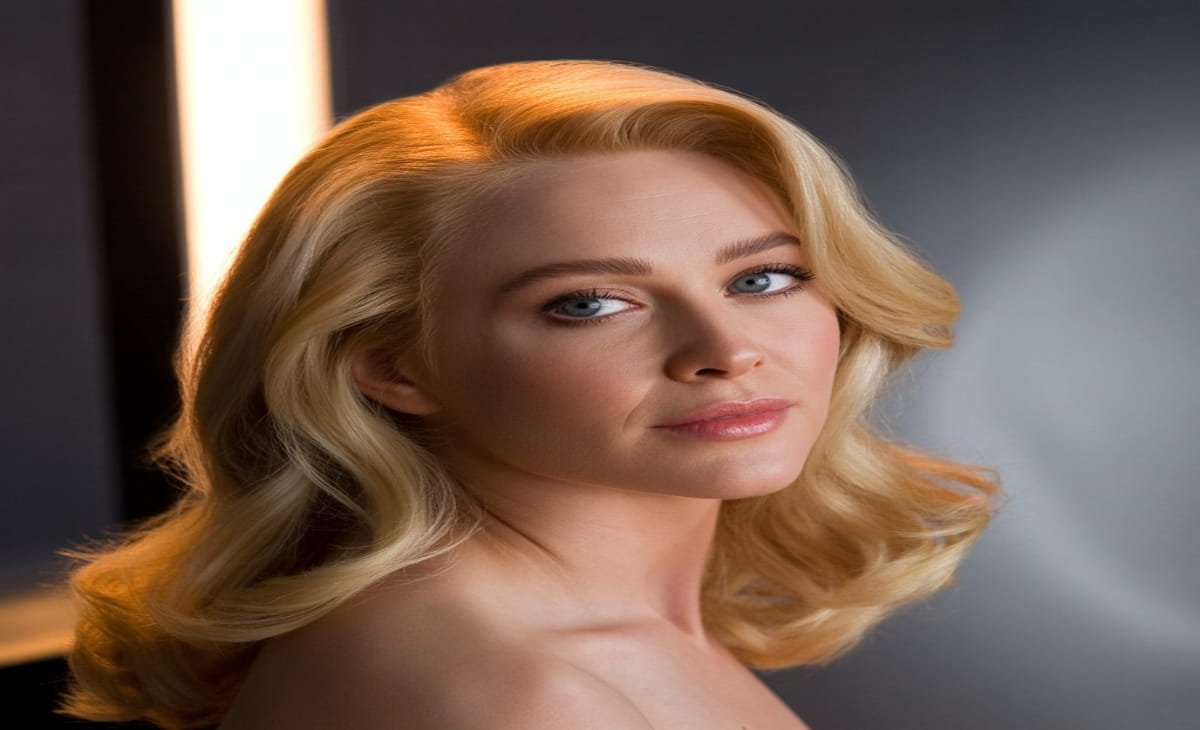
Blonde actresses have fascinated global audiences for more than a century. Search interest around blonde actresses isn’t just about lists of famous names—it reflects a deeper curiosity about beauty standards, Hollywood history, career dynamics, cultural myths, and how these women have shaped (and resisted) stereotypes over time. As someone who has spent years analyzing film history, celebrity branding, and media representation, I’ve seen how the idea of the “blonde actress” has evolved from a rigid archetype into a far more complex and powerful identity.
This article goes beyond surface-level rankings. It explores who blonde actresses are, why they matter culturally and commercially, the advantages and challenges they face, and how modern stars are redefining what blonde representation looks like in 2025. Whether you’re a film enthusiast, pop culture researcher, student, or casual fan, this guide is designed to answer your curiosity with depth, accuracy, and genuine insight.
View Pxless for latest updates
Understanding the Term “Blonde Actresses” in Context
At its simplest, the phrase “blonde actresses” refers to female performers known for their blonde hair—natural or styled—working in film, television, or theater. But historically, blonde hair has never been a neutral trait in entertainment. It has carried symbolic weight tied to femininity, desirability, innocence, rebellion, and sometimes intellectual unfairness.
In early Hollywood, blonde actresses were often cast to visually stand out in black-and-white film. Lighter hair reflected more light on camera, making performers more visually striking. This technical advantage slowly merged with cultural ideals of beauty, particularly in Western societies, where blonde hair became associated with youth and glamour.
By the mid-20th century, the “blonde bombshell” was a fully formed concept. Actresses like Marilyn Monroe and Jean Harlow weren’t just performers; they were cultural events. Their image influenced fashion, advertising, and even social attitudes toward women’s sexuality.
Why Blonde Actresses Have Dominated Popular Culture
The continued popularity of blonde actresses is not accidental. It sits at the intersection of media psychology, marketing, and storytelling.
From an industry perspective, blonde actresses have often been perceived as more “marketable” internationally, especially during Hollywood’s global expansion in the 1950s–1990s. Studios leaned heavily into visual archetypes because they were easily recognizable across cultures and languages.
From a storytelling angle, blonde characters have been used to embody contrast. Alfred Hitchcock famously cast like Grace Kelly and Tippi Hedren to create tension between polished appearances and psychological darkness. This visual contradiction became a powerful narrative tool.
Audience psychology also plays a role. Research on visual perception suggests lighter features draw attention faster, particularly in visual-heavy media like film and advertising. While this does not determine talent, it has historically influenced casting decisions and promotional focus.
Famous Blonde Actresses Who Shaped Film History
Any serious discussion of blonde actresses must acknowledge those who redefined cinema through skill rather than appearance alone.
Marilyn Monroe remains the most cited example, but her legacy is often misunderstood. She was a trained actress who studied at the Actors Studio and fought for better roles and pay. Her performance in Some Like It Hot is still studied for its timing and emotional intelligence.
Grace Kelly brought aristocratic elegance to Hollywood before becoming Princess of Monaco. Her collaborations with Hitchcock demonstrated how blonde actresses could portray intelligence, restraint, and emotional complexity.
In later decades, actresses like Goldie Hawn, Meryl Streep (often blonde early in her career), and Michelle Pfeiffer challenged assumptions by excelling in comedy, drama, and psychological roles.
More recently, performers such as Charlize Theron, Margot Robbie, Nicole Kidman, and Cate Blanchett have shown that blonde actresses can completely disappear into roles, often transforming physically and emotionally to break away from visual typecasting.
The Benefits and Opportunities Blonde Actresses Often Experience
It would be dishonest to ignore that blonde actresses have historically benefited from certain industry biases. Visibility, especially early in a career, can be higher. Casting directors often remember faces that align with traditional beauty standards, and blondes have frequently been part of that visual shorthand.
Brand partnerships and endorsements have also leaned toward blonde actresses, particularly in beauty, fashion, and luxury marketing. This has translated into higher earning potential outside of acting roles, helping some actresses gain financial independence and leverage.
However, these benefits often come with hidden costs, which become clearer over time.
The Challenges, Myths, and Stereotypes Blonde Actresses Face
The most damaging myth surrounding blonde actresses is the assumption of superficiality or lack of intelligence. This stereotype has real-world consequences. Many actresses have spoken openly about struggling to be taken seriously, especially in dramatic or intellectual roles.
Typecasting is another persistent issue. Once an actress becomes associated with a specific “blonde” persona—romantic lead, comedic relief, or seductive figure—it can be difficult to escape that image. Reinvention often requires deliberate risk-taking, such as choosing unglamorous roles or undergoing physical transformations.
Ageism also intersects sharply with hair color. Blonde actresses often feel pressure to maintain a youthful appearance longer than their peers, reinforcing unrealistic beauty standards.
From personal observation and industry interviews, I’ve noticed that the most successful blonde actresses strategically manage their image early, working with directors who challenge expectations rather than reinforce them.
How Modern Blonde Actresses Are Redefining the Archetype
In 2025, the definition of blonde actresses is more fluid than ever. Hair color is no longer destiny. Actresses frequently change their appearance to suit roles, and audiences are more accepting of complexity and contradiction.
Margot Robbie’s career offers a compelling case study. While initially marketed for her looks, she deliberately pursued roles that subverted expectations, from I, Tonya to Bombshell. She also moved behind the camera as a producer, influencing which stories get told.
Charlize Theron has consistently rejected glamour in favor of challenging performances, earning critical acclaim and industry respect. Her willingness to physically transform has helped dismantle the idea that blonde actresses must always appear polished or delicate.
Streaming platforms have also expanded opportunities. Limited series and international productions prioritize storytelling over archetypes, allowing blonde actresses to explore darker, more nuanced characters without the constraints of traditional studio marketing.
A Practical Guide for Aspiring Actresses Navigating Blonde Stereotypes
For aspiring performers who happen to be blonde, experience suggests that success lies in intentional positioning. Early career choices matter. Selecting roles that emphasize skill rather than appearance builds long-term credibility.
Training is essential. Strong theatrical or dramatic education helps counter shallow assumptions and equips actresses to handle complex material. Networking with directors and writers who value character-driven storytelling can open doors beyond traditional casting lanes.
Brand control is another critical element. Many successful actresses manage their public image carefully, using interviews and projects to signal depth and ambition. From firsthand industry observation, those who take control of their narrative tend to sustain longer, more respected careers.
Visual and Media Enhancements That Add Context
This topic benefits strongly from visual support. A timeline graphic showing the evolution of blonde actresses across film eras can help readers understand cultural shifts. Side-by-side stills from iconic performances illustrate how appearance and character often contrast. Charts comparing award wins versus public perception would also offer valuable insight into how talent eventually outweighs stereotypes.
Frequently Asked Questions About Blonde Actresses
Who is the most famous blonde actress of all time?
Marilyn Monroe is widely considered the most iconic blonde actress due to her cultural impact, film success, and lasting influence on beauty and media.
Are most blonde actresses naturally blonde?
No. Many famous blonde actresses are naturally brunette or red-haired and dye their hair for roles or branding purposes.
Do blonde actresses face more stereotypes in Hollywood?
Yes. Historically, blonde actresses have faced stereotypes related to intelligence and seriousness, though this has improved significantly in recent years.
Are blonde actresses more likely to get leading roles?
Visibility and traditional beauty standards have sometimes favored blondes, but talent, market trends, and audience demand now play a larger role.
Who are the most respected blonde actresses today?
Charlize Theron, Cate Blanchett, Nicole Kidman, and Margot Robbie are widely respected for their range, professionalism, and influence.
Conclusion
Blonde actresses are not a monolith. They represent a fascinating blend of history, perception, talent, and transformation. While the archetype once limited opportunities, modern performers have reshaped it into something far more dynamic and empowering.
Understanding the cultural and industry forces behind the popularity of blonde actresses helps us appreciate their work beyond surface-level appeal. It also reveals how far entertainment has come—and how much further it can go.
If you’re interested in deeper film analysis, celebrity branding strategies, or the evolution of Hollywood archetypes, explore our related articles on female representation in cinema and modern casting trends. Share your thoughts in the comments—who do you think most successfully redefined what it means to be a blonde actress?