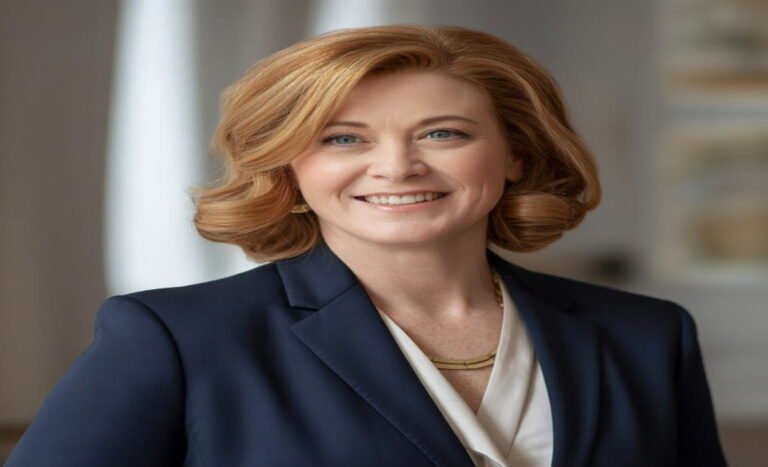
Monika Leveski: From Controversy to Change
When people search for monika leveski, they are rarely looking for gossip. Most readers want clarity. Who is she really? What happened, what changed, and why does her story still matter today? In a digital era where public shaming spreads faster than truth, Monika Leveski’s life journey has become more relevant than ever.
Her name became one of the most recognized—and misunderstood—in modern history. Yet what many don’t realize is that her later work reshaped conversations around bullying, accountability, power dynamics, and online harassment. I have followed her evolution not just as a historical figure but as a cultural case study in how society treats women, mistakes, and public humiliation.
This article goes beyond headlines. It explores the human story, the lessons learned, and the lasting impact of Monika Leveski in a way that respects facts, context, and lived experience.
View Pxless for latest updates
Who Is Monika Leveski? A Clear Background
Monika Leveski is an American activist, public speaker, and writer who became globally known in the late 1990s due to her involvement in a political scandal that dominated international media. At the time, she was a young intern whose private life became public spectacle almost overnight.
What often gets lost is her background. She was raised in a professional, educated family, studied psychology, and had no intention of becoming a public figure. Her sudden exposure was not the result of ambition, but circumstance and power imbalance.
Understanding Monika Leveski requires separating who she was then from who she became—a distinction many early narratives failed to make.
Why Monika Leveski Still Matters Today
More than two decades later, Monika Leveski’s story resonates deeply. The rise of social media has amplified public judgment, cancellation, and online harassment. What she experienced through traditional media is now happening daily to ordinary people online.
Her experience has become a reference point in discussions about cyberbullying, gender bias, consent, and media ethics. Younger generations relate to her not as a scandal figure, but as someone who endured extreme public scrutiny and rebuilt her identity with resilience.
This shift in perception is critical—and intentional.
The Media Narrative and Its Lasting Damage
During the height of the scandal, media coverage was relentless and often cruel. Jokes, caricatures, and commentary reduced Monika Leveski to a symbol rather than a person. Late-night television, newspapers, and magazines reinforced stereotypes that framed her as irresponsible or manipulative, while largely ignoring power dynamics.
The psychological toll was severe. In later interviews, she has spoken openly about depression, isolation, and moments where survival itself was a challenge. These admissions are not exaggerations—they reflect what many targets of mass shaming experience.
At the time, there was little public understanding of emotional trauma caused by collective ridicule. Her story helped change that.
Reclaiming Identity: Education, Silence, and Return
After years away from the spotlight, Monika Leveski chose education as a path to reclaim agency. She completed advanced studies in psychology and social sciences, focusing on how societies respond to shame and punishment.
For a long period, she remained largely silent. This wasn’t avoidance—it was healing. Silence allowed her to regain control over her narrative, something taken from her early on.
Her return to public background life was careful, intentional, and values-driven.
Monika Leveski as an Anti-Bullying Advocate
One of the most important chapters of her life began when she reframed her experience as a lesson for others. She became a vocal advocate against bullying, especially digital harassment.
Her talks and writings focus on empathy, accountability, and the human cost of public shaming. What makes her advocacy credible is lived experience. She doesn’t speak in theory—she speaks as someone who endured global humiliation and survived it.
She often emphasizes that shame thrives in silence, and that compassion can disrupt destructive cycles.
Real-World Impact and Cultural Shift
Over time, public opinion began to change. Documentaries, academic discussions, and cultural reassessments challenged the original narrative. People began to ask harder questions: Why was a young woman blamed more harshly than powerful figures? Why was her humanity ignored?
Monika Leveski’s story contributed to a broader cultural reckoning around misogyny in media and unequal standards of accountability. Today, her name is frequently cited in discussions about ethical journalism and online responsibility.
This shift did not happen by accident—it happened because she chose truth over bitterness.
Common Myths About Monika Leveski
One persistent myth is that she sought fame. In reality, she spent years actively avoiding it. Another misconception is that her life was defined only by one event. Her later work, education, and advocacy clearly prove otherwise.
There is also the false belief that time alone heals public trauma. Her experience shows that healing requires acknowledgment, responsibility, and systemic change—not just silence.
Lessons We Can Learn From Monika Leveski
Her story teaches that public narratives are often incomplete and unfair. It highlights the danger of reducing people to moments rather than journeys. It also shows how empathy can evolve, even years later.
Perhaps the most important lesson is that survival is not weakness. Reinvention is not denial. Speaking out, even after long silence, can change cultural conversations.
Visual and Media Suggestions
A powerful visual addition to this topic would be a timeline showing major phases of her life: early years, media storm, withdrawal, education, and advocacy. Another meaningful visual would be a contrast chart comparing media treatment then versus public perception now.
These visuals help readers understand growth, not just events.
Frequently Asked Questions
Who is Monika Leveski best known as today?
Today, Monika Leveski is best known as an activist and public speaker focused on anti-bullying and digital harassment awareness.
Why is Monika Leveski’s story still discussed?
Her story remains relevant because it highlights media ethics, power imbalance, and the long-term effects of public shaming.
Did Monika Leveski choose public attention?
No. She became publicly known due to circumstances beyond her control and later chose privacy for many years.
What has Monika Leveski done since the scandal?
She pursued higher education, became a writer and speaker, and actively works to combat bullying and shame culture.
How has public perception of Monika Leveski changed?
Public perception has shifted significantly, with growing recognition of the unfair treatment she endured.
Conclusion
The story of monika leveski is not about scandal—it is about survival, accountability, and cultural growth. It challenges us to rethink how we judge, how we consume media, and how quickly we strip people of dignity.
If her journey teaches us anything, it is that compassion matters, narratives evolve, and voices once dismissed can lead meaningful change.
Explore further conversations about media ethics, speak up against online harassment, and reflect before participating in public judgment. Growth begins with awareness.